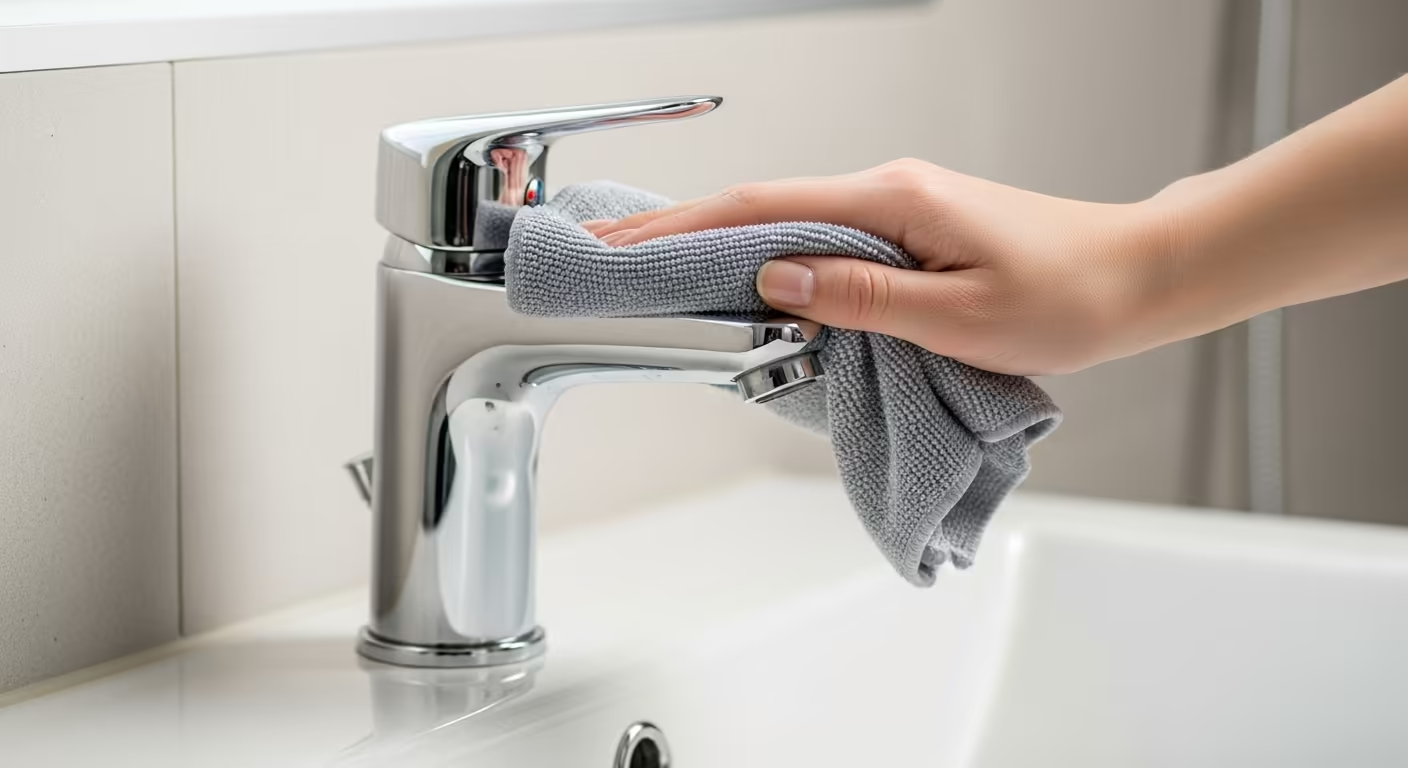

Searching for something in particular? Browse our best sellers!
Searching for something in particular? Browse our best sellers!

Cassie
<svg width="20" height="20" viewBox="0 0 20 20" fill="none" xmlns="http://www.w3.org/2000/svg"> <path d="M13 7V4.5C13 2.84315 11.6569 1.5 10 1.5C8.34314 1.5 7 2.84315 7 4.5V7M3.93939 18.5H16.0606C17.1317 18.5 18 17.6478 18 16.5967L16.7576 6.49997C16.7576 5.44879 15.8893 4.59663 14.8182 4.59663H4.93939C3.8683 4.59663 3 5.44879 3 6.49997L2 16.5967C2 17.6478 2.8683 18.5 3.93939 18.5Z" stroke="currentColor" stroke-width="2" stroke-linecap="round" stroke-linejoin="round"/> </svg>
Published on
11 November 2026
Last updated on
11 November 2026
I am the text that will be copied.

Bathroom design moves on year by year, and 2025 has brought a clear set of preferences: warmer finishes, durable materials, and a focus on practicality without sacrificing style. At Aqualona we’ve seen these trends reflected in the choices customers make for toilet seats, accessories, and everyday bathroom fixtures. This guide rounds up what’s shaping UK bathrooms in 2025 so you can plan your own refresh or renovation with confidence.
Warm, earthy tones are leading the way. Think warm cashmere whites, soft earth tones, and rich burgundy or terracotta for statement pieces. Neutral palettes remain popular for walls and larger surfaces, with soft blues and greens bringing a calm, spa-like feel. Colour drenching—using one shade across walls, woodwork, and even ceiling—continues to grow for a cohesive, modern look. Bolder accents like emerald, navy, and matte black work well on vanities and fixtures when used deliberately rather than everywhere.
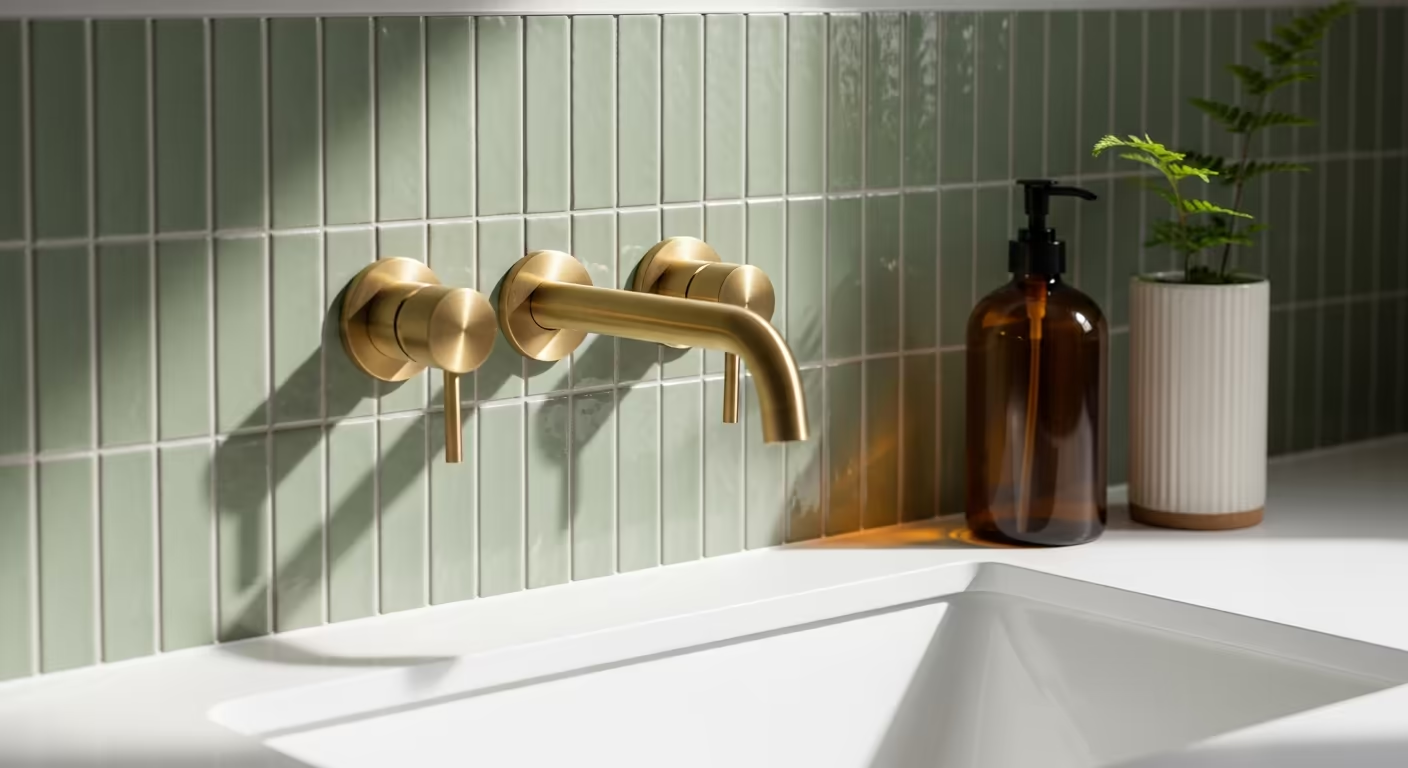
Matte and soft-touch finishes have overtaken harsh chrome in many new and renovated bathrooms. Brushed nickel, brushed brass, and steel offer a softer, more timeless look and hide fingerprints and water spots better. Natural textures and stone-inspired materials are key: grey-green stone tones and biophilic choices reflect a move towards nature-inspired spaces. Sustainable options such as reclaimed composites, bamboo, and cork are increasingly used in cabinetry and accessories.
Bathrooms in 2025 often aim for a spa-like, nature-inspired feel. Textural depth comes from three-dimensional tiles, ribbed glass, and fluted furniture rather than busy patterns. Biophilic design—indoor plants, natural light, and organic shapes—is increasingly woven into layouts. The result is a room that feels calm and functional without looking cold or clinical.
Smart and water-efficient fixtures are becoming more common. Touchless or sensor taps reduce water use and improve hygiene. Thermostatic shower mixers give consistent temperature and safer control. Motion-activated lighting and smart mirrors are appearing in more homes. For the toilet itself, a well-chosen seat with soft-close hinges and optional quick-release remains a practical upgrade that doesn’t require a full smart-toilet investment.
Explore our toilet seat collection and bathroom accessories to see how current trends translate into products that work in your home. For more ideas and guides, visit our blog.
Published on
11 November 2026
Last updated on
11 November 2026
I am the text that will be copied.
Join our community for design inspiration, new product launches, and special discounts delivered to your inbox. 10% off your first order.
Spend over £5 for free delivery. Standard Delivery only. T&Cs apply.
*some areas excluded
With over 20,000+ five star reviews on our award-winning Amazon Store.
Crafted with precision, built to last, we stand behind our products.